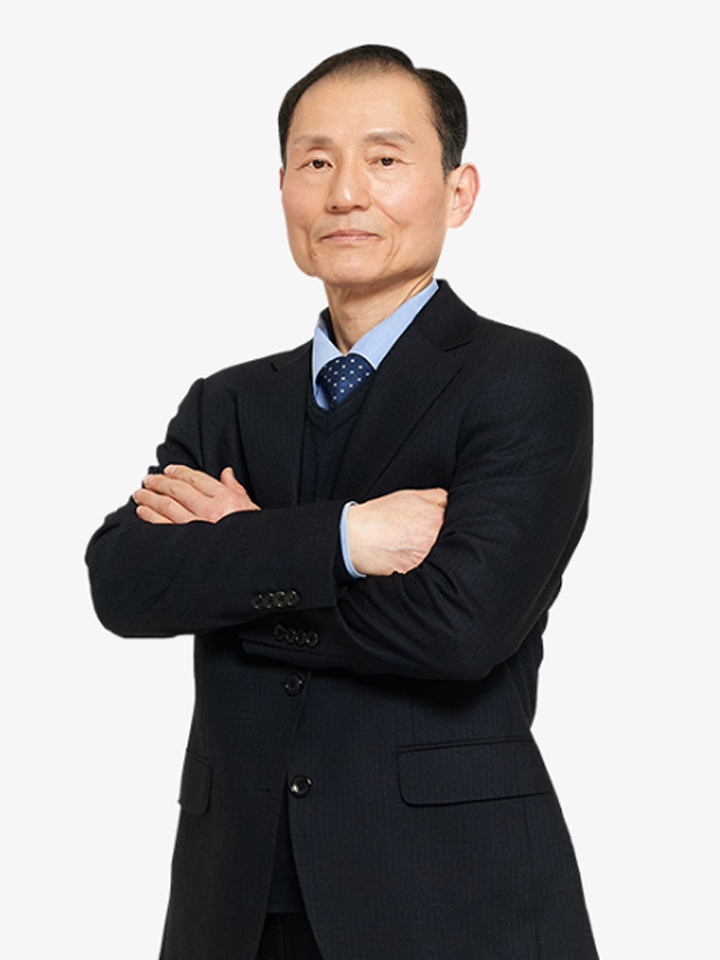
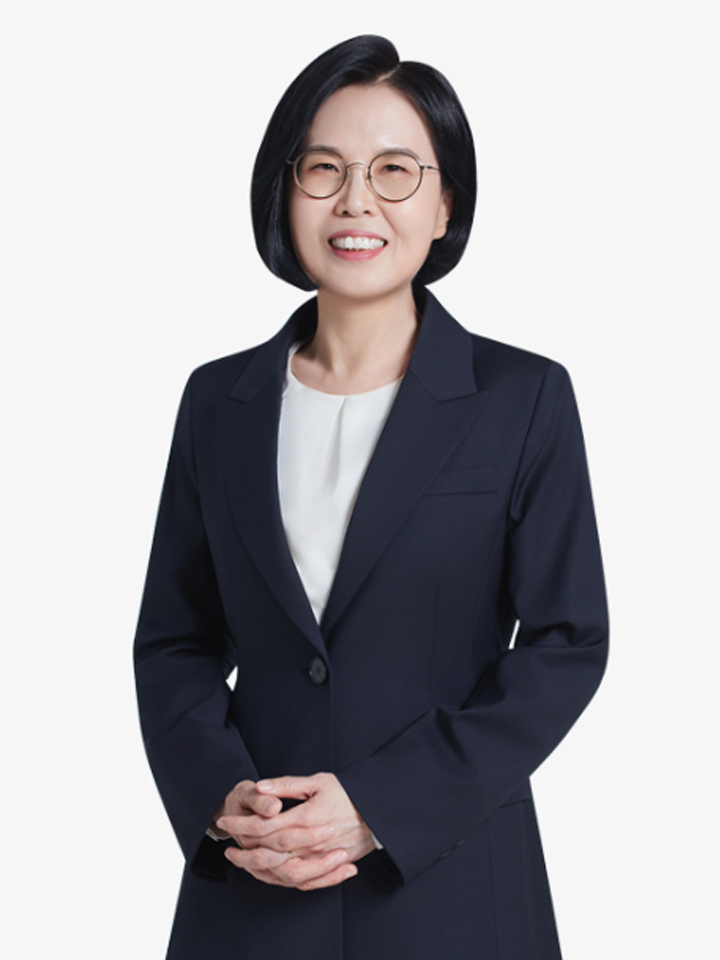
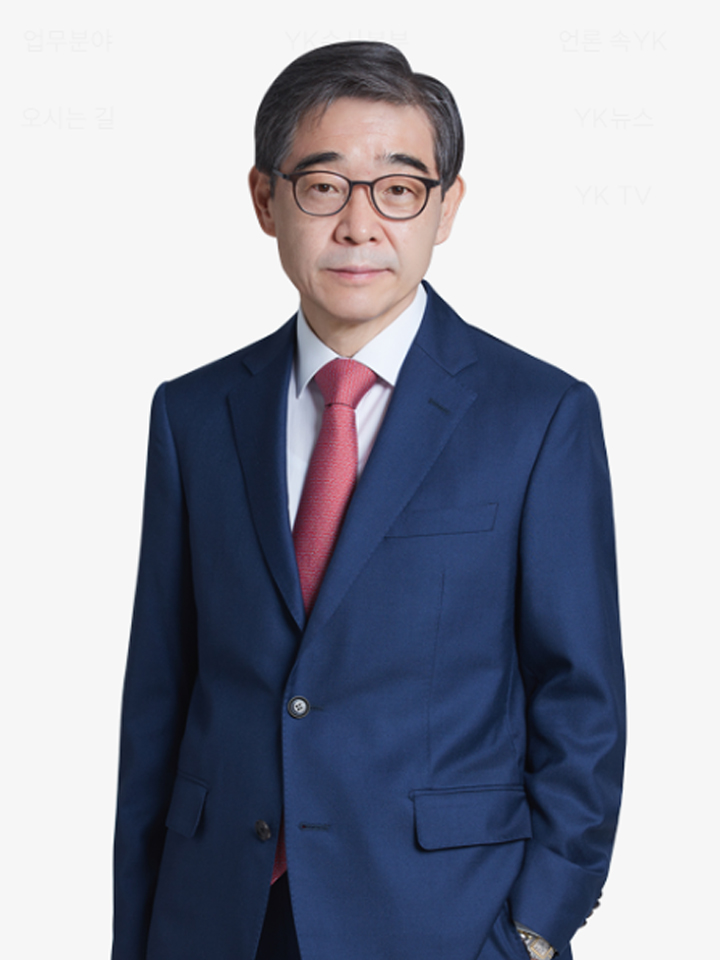
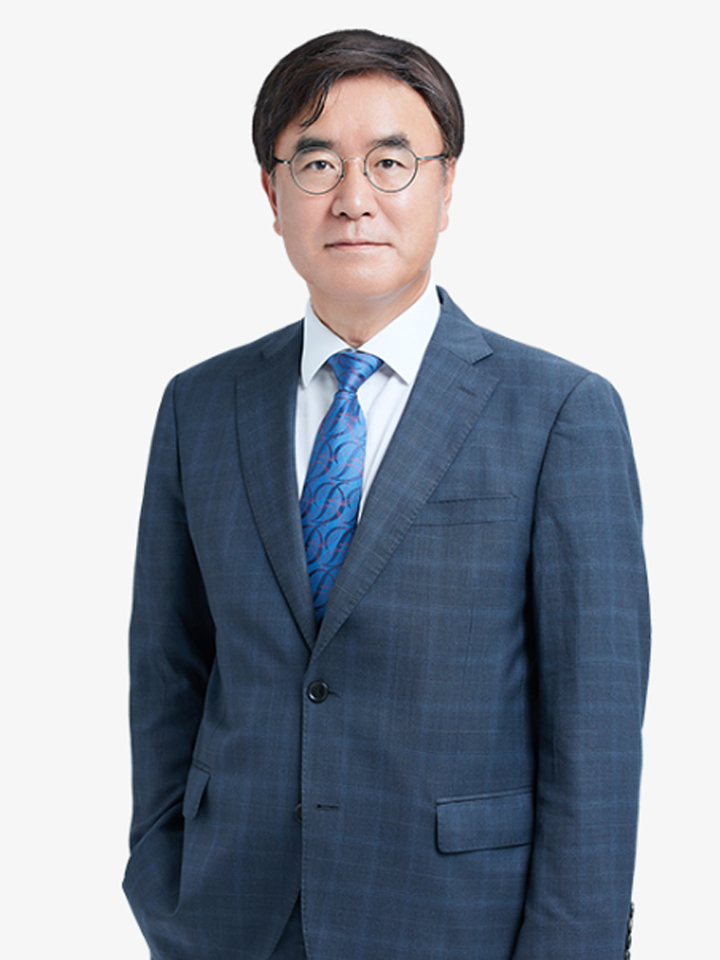
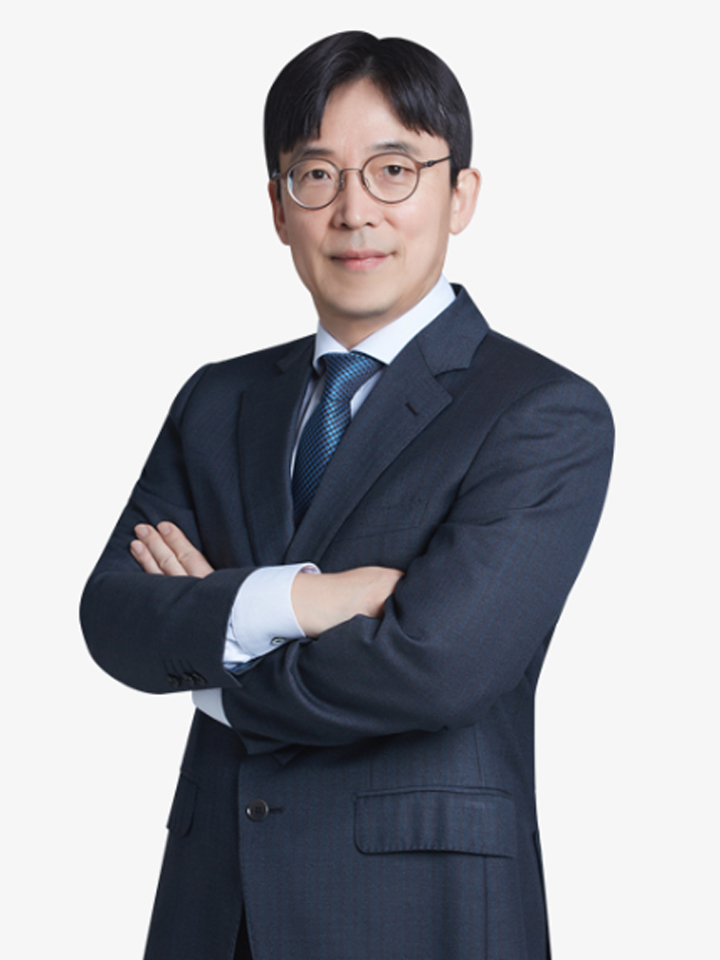
서울 경복고등학교 졸업
서울대학교 정치학과 졸업
서울대 법과대학원 수료
건국대 행정대학원 주거환경정비사업 전문가과정 수료
제22회 사법시헙 합격
제12기 사법연수원 수료
판사 임관
수원지방법원 여주지원 판사
서울북부지방법원 판사
서울민사지방법원 판사
서울고등법원 판사
서울지방법원 신청단독판사
서울지방법원 형사단독판사
광주지방법원 부장판사
수원지방법원 성남지원 부장판사
서울중앙지법 부장판사
(건설전문부 재판장 2002년~2004년)
제45회 사법시험 3차 시험위원
서울 서초구선거관리위원회 위원장
변호사 개업(서울지방변호사회)
법무법인 정세 대표변호사
현 법무법인 YK 대표변호사
(부동산전문, 건설전문 변호사)
제6회, 7회, 10회 변호사시험 민사법 출제위원
전 대한건설협회 서울특별시회 법률고문
전 건설공제조합 법률고문
전 대한주택공사 법률자문
전 현대해상화재보험(주) 법률자문
전 성보건설산업(주) 법률고문
현 학교법인 동덕학원 고문변호사,
동덕여자대학교 법률고문
현 주식회사 다짐 법률고문
현 ㈜디안, ㈜디안대부 법률고문
다수 건설회사 고문변호사
조세법 전문
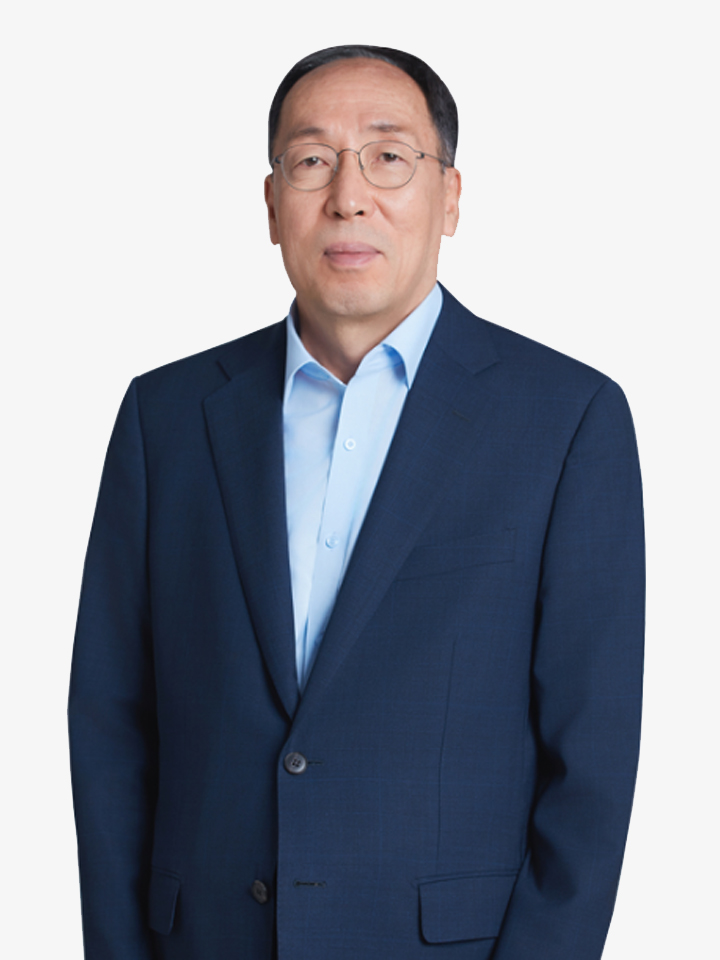
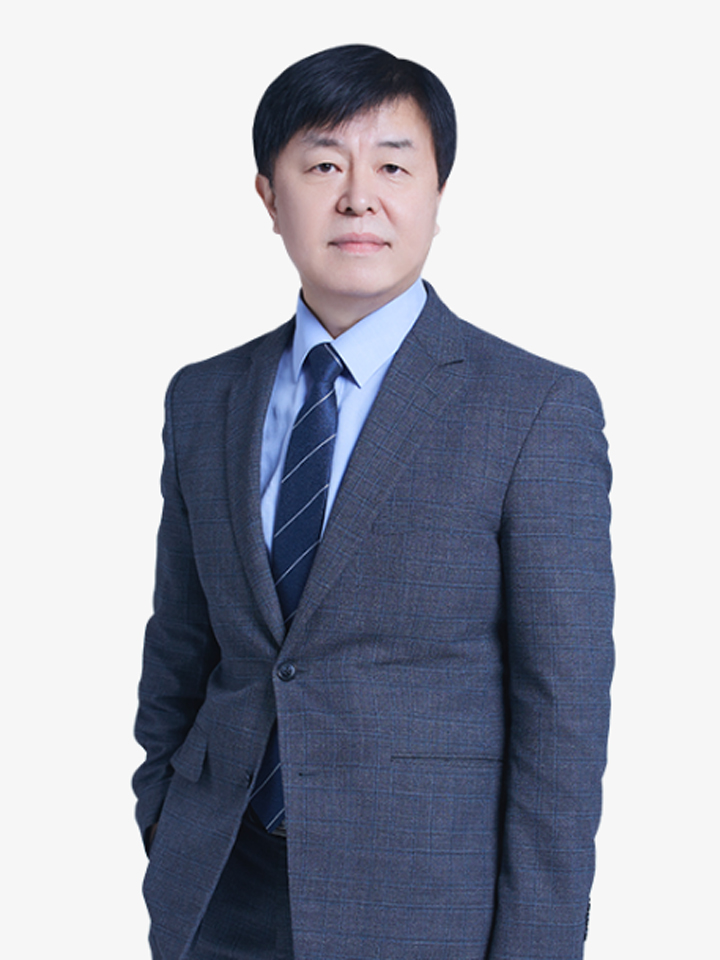
한만수 대표변호사
제22회 사법시험 합격(1980)
서울대학교 법과대학 졸업(1981)
사법연수원 제13기 수료(1983)
서울대학교 대학원 법학과
석사과정 졸업(법학석사, 1987)
미국 University of Washington,
School of Law 졸업(LL.M, 1991)
서울대학교 대학원 법학과
박사과정 졸업(법학박사, 1999)
김.장 법률사무소 변호사
(1983~1996, 2002~2007, 2018~2024)
한국세법학회 회장(2014~2016)
딜로이트 안진회계법인 상임고문(2014~2015)
공정거래위원장 후보자(2013)
조세심판원 비상임심판관(2009~2013)
기획재정부 국세예규심사위원회 위원(2008~2013)
이화여자대학교 법학전문대학원 교수(2009~2013)
이화여자대학교 법과대학 교수(2007~2009)
한양대학교 법과대학 교수(2005~2006)
기획재정부 세제발전심의위원회 위원
(2003~2005, 2011~2016)
대한변호사협회 국제이사(2003~2005)
재정경제부 세제실 고문변호사(1998~1999)
법무법인 율촌 변호사(1997~2002)
2015 대한변호사협회 등록 조세법 전문 변호사
가정법원 부장판사 역임
배인구 대표변호사
대전여자고등학교 졸업
고려대학교 법학과 졸업
고려대학교 대학원 법학과 석사과정
독일 본대학 민소법연구소 연구과정(~2005.7)
고려대학교 대학원 석사(민법)
고려대학교 대학원 박사 수료(민법)
제35회 사법시험 합격
사법연수원 수료(제25기)
부산지방법원 울산지원 판사
대전지방법원 판사
서울지방법원 의정부지원 판사
서울북부지방법원 판사
서울고등법원 판사
헌법재판소 파견
서울중앙지방법원 판사
서울가정법원 부장판사
서울중앙지방법원 부장판사
전) 법무법인(유한) 로고스 변호사
전) 대법원 성년후견시행준비 TFT팀장,
후견감독연구반 반장
전) 서울가정법원 양육비위원회 위원장
대법원 가사소송법 개정위원회 위원
전) 법무부 민법 개정위원회 위원
전) 법무부 민사소송법 개정위원회 위원
현) 법원실무제요 발간위원회 위원(가사, 소년)
현) 양육비이행관리원 법률지원단 자문위원
현) 헌법재판소 공직자윤리위원회 위원
대법관 역임
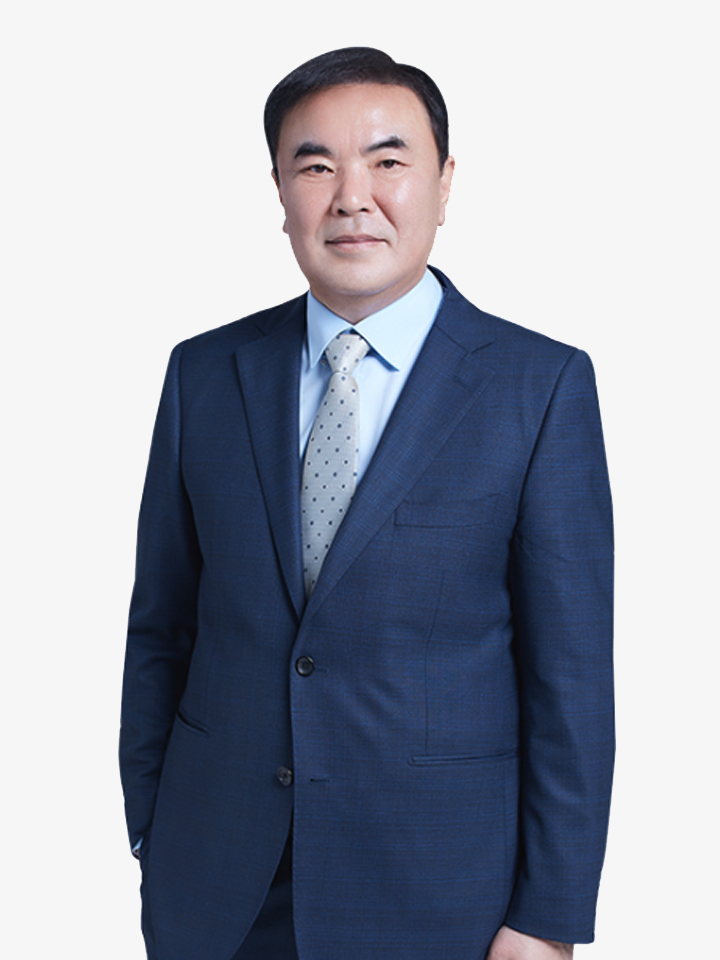
권순일 대표변호사
서울형사지방법원 판사
서울민사지방법원 판사
서울고등법원 판사
서울행정법원 부장판사
대전고등법원 수석부장판사
대법원 선임재판연구관
대법원 수석재판연구관
서울고등법원 부장판사
법원행정처 차장
대법관
부장판사 역임
김경 대표변호사
서울 한영고등학교 졸업
서울대학교 공법학과 졸업
서울대학교 대학원 법학과 졸업
제34회 사법시험 합격
제24기 사법연수원 수료
서울지방법원 북부지원 판사
서울지방법원 판사
청주지방법원 판사
의정부지방법원 판사
서울고등법원 판사
서울동부지방법원 판사
청주지방법원 부장판사
의정부지방법원 고양지원 부장판사
서울북부지방법원 부장판사
서울중앙지방법원 부장판사
변호사 개업
법무법인 법경 변호사
법무법인 참본 변호사
고등법원 부장판사 역임
이인석 대표변호사
서울대학교 공법학과 학사
서울대학교 대학원 석사과정 수료
제27기 사법연수원 수료
University of Munich Visiting Scholar
법무법인(유) 광장(Lee & Ko) 파트너, 공정거래그룹장
공정거래위원회 정책실명제 심의위원
대우건설(주) 사외이사
대전고등법원 고법판사(부장판사)
서울고등법원 고법판사(부장판사)
서울남부지방법원 판사
의정부지방법원 고양지원 판사
의정부지방법원 판사
청주지방법원 판사
서울지방법원 북부지원 판사
서울지방법원 판사
전) 파주시 선거관리위원회 위원장
전) 법원행정처 형사심의관
전) 법무부 형사소송법개정특별위원회 위원
전) 법률신문편집위원
전) 대법원 사법발전위원회 전문위원
전) 대법원 상고제도개선특별위원회 위원
현) 공정거래위원회 정책실명제심의위원회 위원
부장판사 역임
변민선 대표변호사
서울대학교 사회학과 졸업
제38회 사법시험 합격
사법연수원 수료(제28기)
부산지방법원 판사
부산지방법원 동부지원 판사
의정부지방법원 판사
서울북부지방법원 판사
서울중앙지방법원 판사
서울북부지방법원 판사
제주지방법원 부장판사
의정부지방법원 부장판사
서울중앙지방법원 부장판사(~2022.2)
변호사 개업(서울회)
법무법인(유한) 동인 변호사
판사 역임
양동학 고문 변호사
광주제일고등학교 졸업
한양대학교 법학과 졸업
전남대학교 대학원 법학과 수료
제26회 사법시험 합격
사법연수원 수료(제16기)
전라남도 선거관리위원회 위원
광주지방법원 소액전담 판사(~2022. 7.)
전라남도, 곡성군, 신안군, 광양시 고문변호사
삼성화재, 현대해상화재, 교보악사,
메리츠화재, 한화보험, 개인택시 공제등 고문변호사
전남지방경찰청 수사심의위원회 위원장
부장판사 역임 부동산·건설 전문
박찬 대표변호사
서울 경복고등학교 졸업
서울대학교 정치학과 졸업
서울대 법과대학원 수료
건국대 행정대학원 주거환경정비사업 전문가과정 수료
제22회 사법시헙 합격
제12기 사법연수원 수료
판사 임관
수원지방법원 여주지원 판사
서울북부지방법원 판사
서울민사지방법원 판사
서울고등법원 판사
서울지방법원 신청단독판사
서울지방법원 형사단독판사
광주지방법원 부장판사
수원지방법원 성남지원 부장판사
서울중앙지법 부장판사
(건설전문부 재판장 2002년~2004년)
제45회 사법시험 3차 시험위원
서울 서초구선거관리위원회 위원장
변호사 개업(서울지방변호사회)
법무법인 정세 대표변호사
현 법무법인 YK 대표변호사
(부동산전문, 건설전문 변호사)
제6회, 7회, 10회 변호사시험 민사법 출제위원
전 대한건설협회 서울특별시회 법률고문
전 건설공제조합 법률고문
전 대한주택공사 법률자문
전 현대해상화재보험(주) 법률자문
전 성보건설산업(주) 법률고문
현 학교법인 동덕학원 고문변호사,
동덕여자대학교 법률고문
현 주식회사 다짐 법률고문
현 ㈜디안, ㈜디안대부 법률고문
다수 건설회사 고문변호사
조세법 전문
한만수 대표변호사
제22회 사법시험 합격(1980)
서울대학교 법과대학 졸업(1981)
사법연수원 제13기 수료(1983)
서울대학교 대학원 법학과
석사과정 졸업(법학석사, 1987)
미국 University of Washington,
School of Law 졸업(LL.M, 1991)
서울대학교 대학원 법학과
박사과정 졸업(법학박사, 1999)
김.장 법률사무소 변호사
(1983~1996, 2002~2007, 2018~2024)
한국세법학회 회장(2014~2016)
딜로이트 안진회계법인 상임고문(2014~2015)
공정거래위원장 후보자(2013)
조세심판원 비상임심판관(2009~2013)
기획재정부 국세예규심사위원회 위원(2008~2013)
이화여자대학교 법학전문대학원 교수(2009~2013)
이화여자대학교 법과대학 교수(2007~2009)
한양대학교 법과대학 교수(2005~2006)
기획재정부 세제발전심의위원회 위원
(2003~2005, 2011~2016)
대한변호사협회 국제이사(2003~2005)
재정경제부 세제실 고문변호사(1998~1999)
법무법인 율촌 변호사(1997~2002)
2015 대한변호사협회 등록 조세법 전문 변호사
가정법원 부장판사 역임
배인구 대표변호사
대전여자고등학교 졸업
고려대학교 법학과 졸업
고려대학교 대학원 법학과 석사과정
독일 본대학 민소법연구소 연구과정(~2005.7)
고려대학교 대학원 석사(민법)
고려대학교 대학원 박사 수료(민법)
제35회 사법시험 합격
사법연수원 수료(제25기)
부산지방법원 울산지원 판사
대전지방법원 판사
서울지방법원 의정부지원 판사
서울북부지방법원 판사
서울고등법원 판사
헌법재판소 파견
서울중앙지방법원 판사
서울가정법원 부장판사
서울중앙지방법원 부장판사
전) 법무법인(유한) 로고스 변호사
전) 대법원 성년후견시행준비 TFT팀장,
후견감독연구반 반장
전) 서울가정법원 양육비위원회 위원장
대법원 가사소송법 개정위원회 위원
전) 법무부 민법 개정위원회 위원
전) 법무부 민사소송법 개정위원회 위원
현) 법원실무제요 발간위원회 위원(가사, 소년)
현) 양육비이행관리원 법률지원단 자문위원
현) 헌법재판소 공직자윤리위원회 위원
대법관 역임
권순일 대표변호사
서울형사지방법원 판사
서울민사지방법원 판사
서울고등법원 판사
서울행정법원 부장판사
대전고등법원 수석부장판사
대법원 선임재판연구관
대법원 수석재판연구관
서울고등법원 부장판사
법원행정처 차장
대법관
부장판사 역임
김경 대표변호사
서울 한영고등학교 졸업
서울대학교 공법학과 졸업
서울대학교 대학원 법학과 졸업
제34회 사법시험 합격
제24기 사법연수원 수료
서울지방법원 북부지원 판사
서울지방법원 판사
청주지방법원 판사
의정부지방법원 판사
서울고등법원 판사
서울동부지방법원 판사
청주지방법원 부장판사
의정부지방법원 고양지원 부장판사
서울북부지방법원 부장판사
서울중앙지방법원 부장판사
변호사 개업
법무법인 법경 변호사
법무법인 참본 변호사
고등법원 부장판사 역임
이인석 대표변호사
서울대학교 공법학과 학사
서울대학교 대학원 석사과정 수료
제27기 사법연수원 수료
University of Munich Visiting Scholar
법무법인(유) 광장(Lee & Ko) 파트너, 공정거래그룹장
공정거래위원회 정책실명제 심의위원
대우건설(주) 사외이사
대전고등법원 고법판사(부장판사)
서울고등법원 고법판사(부장판사)
서울남부지방법원 판사
의정부지방법원 고양지원 판사
의정부지방법원 판사
청주지방법원 판사
서울지방법원 북부지원 판사
서울지방법원 판사
전) 파주시 선거관리위원회 위원장
전) 법원행정처 형사심의관
전) 법무부 형사소송법개정특별위원회 위원
전) 법률신문편집위원
전) 대법원 사법발전위원회 전문위원
전) 대법원 상고제도개선특별위원회 위원
현) 공정거래위원회 정책실명제심의위원회 위원
부장판사 역임
변민선 대표변호사
서울대학교 사회학과 졸업
제38회 사법시험 합격
사법연수원 수료(제28기)
부산지방법원 판사
부산지방법원 동부지원 판사
의정부지방법원 판사
서울북부지방법원 판사
서울중앙지방법원 판사
서울북부지방법원 판사
제주지방법원 부장판사
의정부지방법원 부장판사
서울중앙지방법원 부장판사(~2022.2)
변호사 개업(서울회)
법무법인(유한) 동인 변호사
판사 역임
양동학 고문 변호사
광주제일고등학교 졸업
한양대학교 법학과 졸업
전남대학교 대학원 법학과 수료
제26회 사법시험 합격
사법연수원 수료(제16기)
전라남도 선거관리위원회 위원
광주지방법원 소액전담 판사(~2022. 7.)
전라남도, 곡성군, 신안군, 광양시 고문변호사
삼성화재, 현대해상화재, 교보악사,
메리츠화재, 한화보험, 개인택시 공제등 고문변호사
전남지방경찰청 수사심의위원회 위원장